Every SodaFit® Ingredient, and the Research Behind It
Six ingredients, one section each, with the literature linked at the end of every one. Read the caveat at the bottom before you read anything else — it applies to all of it.
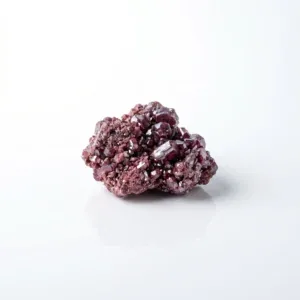
Chromium
Chromium is the only mineral in the bottle and the only ingredient here whose role is not in dispute. It is an essential trace element, which means the body cannot make it and has to take it in from food — broccoli, whole grains, brewer’s yeast, some meats.
Its accepted function is in normal macronutrient metabolism and normal insulin action. That is careful language and it is deliberately careful: chromium helps the machinery that already handles carbohydrate work the way it is supposed to. It does not do anything on its own, and a deficiency is far more interesting than a surplus.
The practical argument for including it in a weight-management formula is straightforward. The moment someone starts eating less of everything, the trace minerals are what go short first, and chromium is high on that list. Topping it up is insurance rather than intervention.
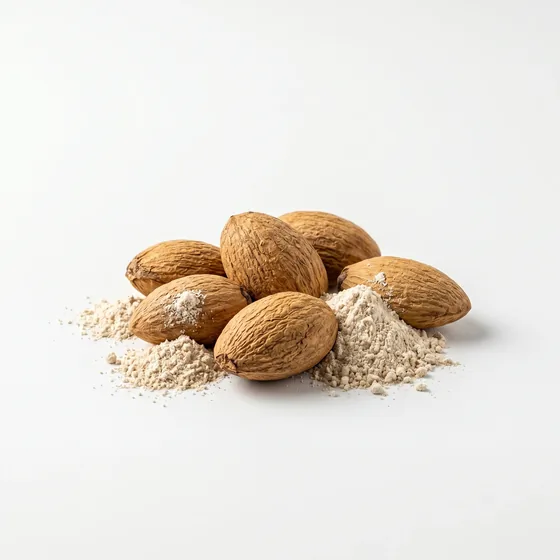
African Mango Seed
Irvingia gabonensis is a West and Central African tree, and the part used here is the seed rather than the fruit. Ground into a paste, those seeds have been thickening soups across the region for centuries — this is a food long before it is a supplement ingredient.
In a formula like this one it sits on the satiety side. The interesting window in weight management is not the meal itself; it is the twenty minutes afterwards, where the difference between feeling finished and feeling like starting again gets decided. That is the window this ingredient is aimed at.
The research record is real but modest — small trials, short durations, doses that vary between studies. It is a reasonable inclusion and an unreasonable headline, which is roughly where we would place it.
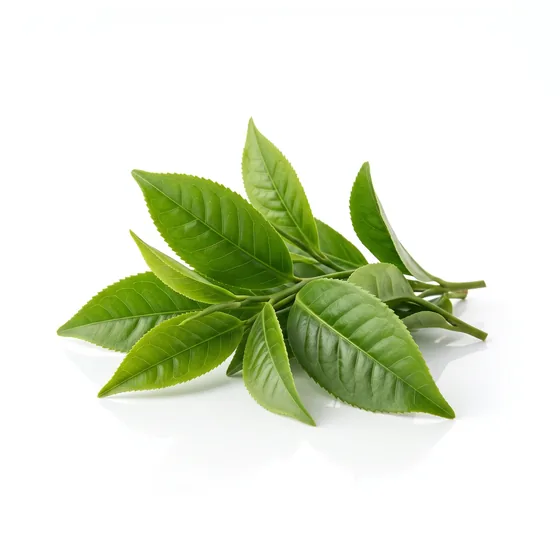
Green Tea Leaf
Green tea leaf extract has the longest research history of anything in this bottle, and most of that research is about catechins — EGCG above all — rather than about caffeine, though the caffeine comes along regardless.
What the studies usually measure is daily energy expenditure: the background rate at which an ordinary body gets through an ordinary day. Effects, where they show up, are small and cumulative. Nobody in that literature is reporting a sensation.
Two things worth knowing before you buy. First, this ingredient is one of the two sources of caffeine in the formula. Second, extract strength varies enormously between products, and a label that does not tell you the standardisation is telling you something by omission.
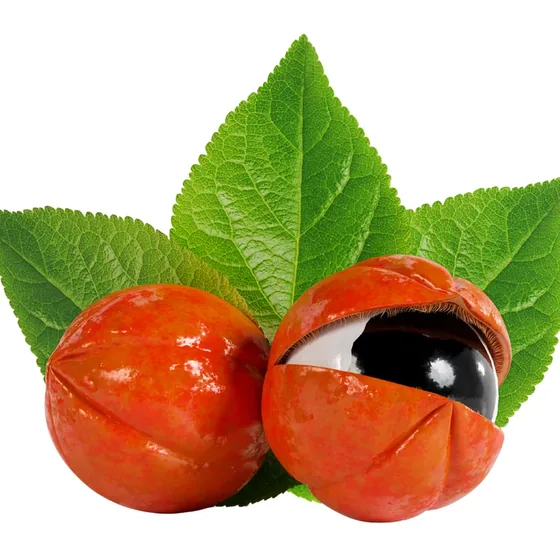
Guarana Seed
Guarana is an Amazonian climbing plant whose seeds carry more caffeine by weight than coffee beans do. It has been used in Brazil for generations, and it is the second caffeine source in this formula.
The reason formulators reach for guarana rather than plain caffeine is the plant matrix: the caffeine is bound up with tannins and other compounds, and the usual observation is that it arrives more gradually and tails off more gently than the same milligrams taken straight.
Whether that difference is large enough to matter is genuinely debated. What is not debated is that it is caffeine, and that it stacks with the green tea in the same dropper. If you are already drinking coffee, count this in your daily total rather than treating it as free.
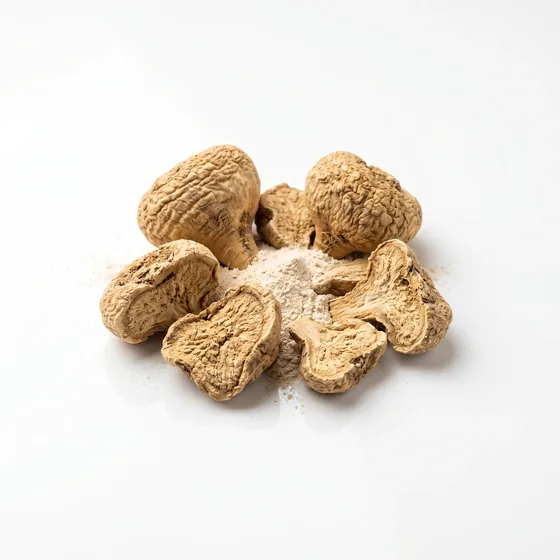
Maca Root
Maca grows on the Peruvian altiplano, above 4,000 metres, where very little else will. It has been eaten as a root vegetable there for a very long time, and dried maca is a staple food rather than an exotic extract.
Its traditional use is for stamina and general vitality, and that is exactly the claim being made here — nothing about weight, nothing about appetite. Of the six ingredients this is the one least concerned with the scale and most concerned with whether you feel like going for the walk.
The clinical literature is thin and mostly focused on other outcomes entirely. We would call it a supporting ingredient with a long food history, which is a fair description and not a very exciting one.
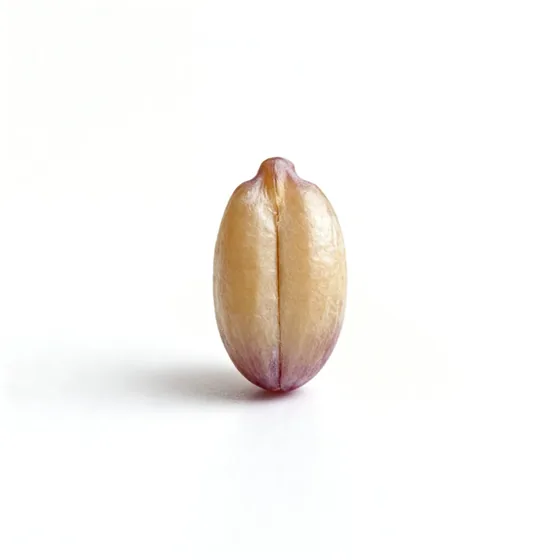
Grape Seed
Grape seed extract is the by-product of winemaking that turned out to be worth more than an afterthought. What it supplies is proanthocyanidins — a polyphenol family that is among the better-studied antioxidant groups in food science.
The work on it clusters around antioxidant activity and circulatory support: oxidative stress markers, vascular function, that territory. None of it is about weight, and it would be dishonest to imply otherwise.
It is the sixth ingredient on the panel and, on the evidence, it belongs there — a sensible supporting inclusion rather than a reason to buy. We would rather say that plainly than inflate it.
What those studies do and do not tell you.
Every paper linked above examined one ingredient, at a dose that study chose, in a population that study recruited, over a period that study set. None of them tested SodaFit, none of them tested this combination, and none of them used the amounts on this panel. A study showing something about green tea extract is evidence about green tea extract and nothing more. These statements have not been evaluated by the Food and Drug Administration, and this product is not intended to diagnose, treat, cure or prevent any disease.